Crafty Club La Costa scheme forcing fractional owners into a transfer and £540 fee rise
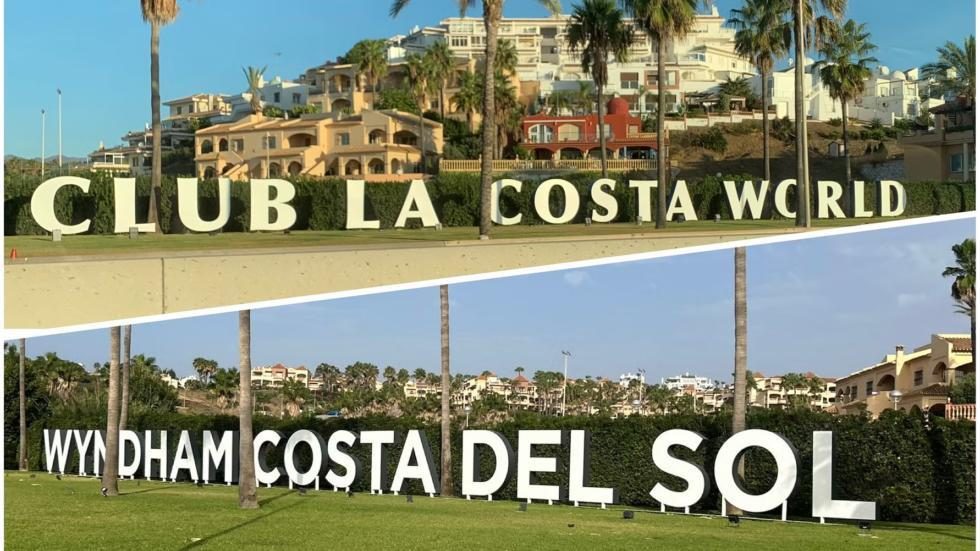
CLC World fractional owners are being told to give up their existing fractional property and accept a completely different one instead. So what’s really behind these latest CLC manoeuvres?
Timeshare and fractional ownership: not an investment
Timeshare has long been viewed as an expensive and inefficient way to take holidays. Historically, that wasn’t always the case. Before the internet, timeshare could guarantee high-quality accommodation in exclusive resorts — something many holidaymakers were prepared to pay a premium for in the 80s and 90s.
Shared ownership then emerged, promising the pride of property “ownership” without the cost of buying an apartment outright.

It is illegal to present timeshare as an investment, as the product typically loses virtually all of its value the moment it is sold.
Once the internet made many of timeshare’s perceived advantages less relevant, the industry needed a new sales angle. Enter: the fractional timeshare.
Fractional ownership explained: how the “upgrade” was sold
“Fractionals”, unlike traditional timeshares, were sold as genuine part-ownership of a property. Buyers naturally associate property with rising value and may assume they’ll make money — and in many cases, why wouldn’t they? Property values often rise over time.
In practice, because of the way they are contracted, fractional ownerships provide minimal improvements over the old-style ‘right to rotational occupancy’ timeshares. The main benefit was for unscrupulous sales staff, who could (illegally) present the product as an investment — whether by implication, by pushing the boundaries of the law, or by ignoring it altogether and promising a financial return on the buyer’s outlay.
Club la Costa embroiled
CLC World have heavily pushed fractional memberships since 2011 as a way to upsell their existing members. As of today, in-house experts at European Consumer Claims (ECC) estimate there are up to 35,000 CLC fractional owners who believe they will see a return on their outlay.
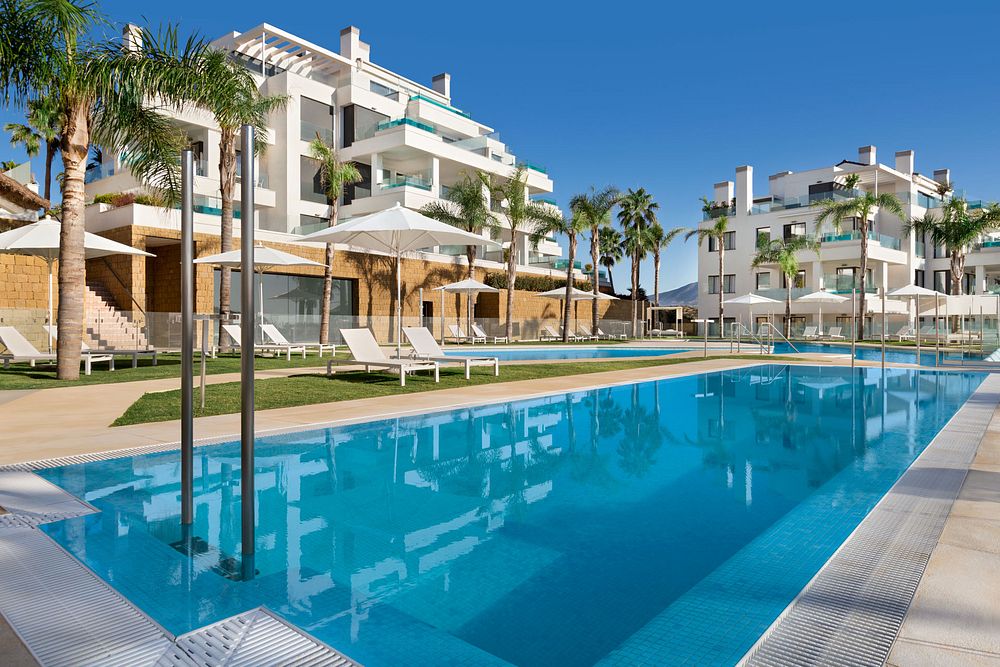
Experts working at ECC estimate that Club la Costa have earned well over £700 million through fractional ownership sales schemes. Their commission-only sales staff have “upgraded” as many people as possible from regular memberships to fractionals, promising a better holiday experience — and dangling the prospect of money back when the property is eventually surrendered.
These owners have fixed-term contracts. At the end of the term, the properties are contracted to be sold, with any profits divided among the owners.
Scandalous email: CLC owners told their property is being switched
CLC fractional owners at the Costa del Sol Pueblo Marina complex have just received an alarming email from Club La Costa Member Services. The three-page message states that, for vague “operational reasons”, their ownership is being transferred — whether they agree or not — to an entirely different complex called Marina del Rey.

That’s despite the fact that these owners bought into a specific complex they may have actively chosen and liked.
Many CLC members bought into fractional timeshare because it was presented as a way to shorten their membership term to 16 more years — plus the likelihood of a financial return at the end of that period.
But the resort itself is often central to the decision to “upgrade” to fractional ownership. For the sizeable outlay involved, buyers may scrutinise everything: the décor, the location (both the resort and the position of the apartment within it), the look and design of the development, and practical details such as when the apartment gets the sun — even whether they like the pool.
Imagine weighing up all of those factors, agreeing to the deal, and making the decision to buy.
Then imagine receiving an email later saying: "sorry, we are swapping what you specifically chose for something else that we are choosing for you."
To add insult to injury, CLC World have told the clients that this enforced property change comes with a mandatory increase in annual fees of £540. Clients are given a stark choice: pay the extra £540 per year now, or defer it — with the shortfall deducted from any profit they would otherwise be entitled to when the apartment is sold.
Expert comment on CLC’s fractional ownership move
"These people were already paying annual fees of around £1000 per year for their memberships," explains Greg Wilson, CEO of ECC. "Now they’ve been hit with an increase to over £1500 a year, for something they had zero choice about — and for being moved to a totally different property, which again, they had no choice about."
"They might like the new complex, they might hate it. The point is they had no say in any aspect of this new property selection. It is not what they bought."

The move is viewed with cynicism by Wilson, an expert on CLC activity and history. "This appears to be a calculated strategy from Club La Costa," he notes. "There is approximately nine years left on the fractional contract term for the Pueblo Marina memberships. CLC may believe there will be a (rare) profit when the property is sold on.
"They will probably expect most people to choose option two, where they defer the extra £540 a year until the property is sold.
"That way, CLC can contact them at the time of sale and say: ‘guess what, because you’ve been accruing a debt of £540 a year for the last nine years, you now actually owe us money. But we have a deal for you: we can just cancel the agreement, and neither of us will owe the other anything.’
"That way CLC would get to keep all of the profits on the property sale."
Problems with your fractional ownership?
If you own a fractional timeshare and feel you’ve been treated unfairly in any way, get in touch with our team for advice on your options.
We can help.
Related Posts

World’s third largest timeshare company accused of deception and customer abuse ‘Bonus’ weekend stay Greenwich social worker Raymond Hill, 53 and his wife Anthonia were invited to what seemed like a...
Sizeable Marriott award payout as members move to claim compensation for illegal contracts Happy owners Myra Bromfield, 55, and husband John bought their first two weeks of Marriott timeshare around 1998, at the Marri...
Spanish law 4/2012 has been updated to include a controversial 'sunset clause,' meaning that timeshare claims now have a time limit Decades of consumer abuse Since the early 1980s timeshare companies have been enrichi...
Following the discontinuation of the sales department more than four years ago, CLC World have started once again to sell timeshare points. Since they paused their timeshare sales operation in 2021, CLC have focused on...