As timeshare resort sales wind down, members lose paid-for facilities and services
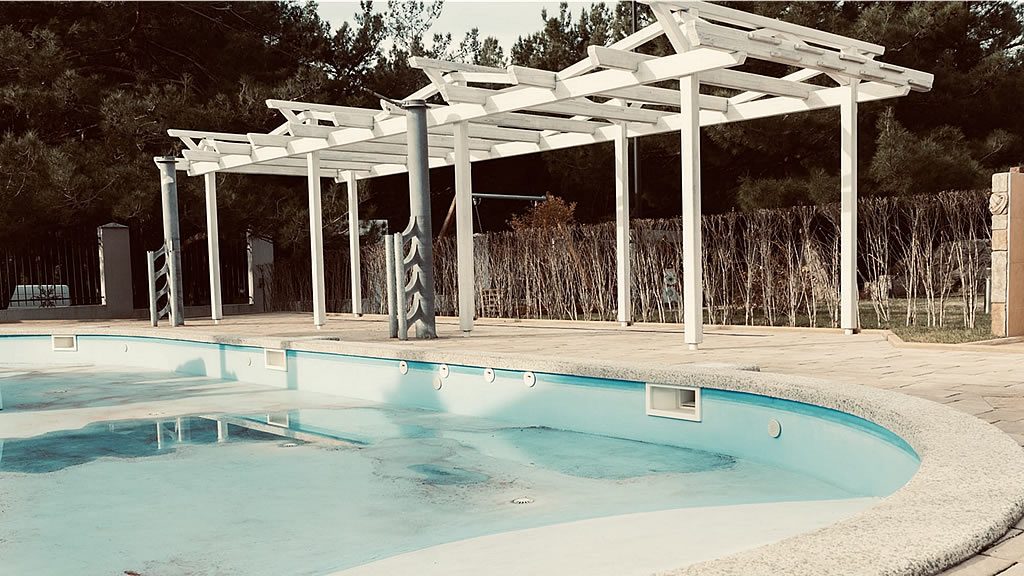
Major operators such as Anfi, Diamond Resorts Europe and Club La Costa are among the resorts being criticised for failing to deliver the services and amenities members believe they paid for.
Costly memberships
Many people paid significant sums for a timeshare membership because they wanted a higher standard than a typical package holiday. They bought into the exclusivity of the clubs and expected those standards to be maintained for the full term of their membership.
Timeshare owners typically pay a substantial joining fee and then high annual fees that can sometimes exceed the cost of a standard holiday. Crucially, these fees are due every year, even if the owner cannot travel or does not want to use the timeshare.
Timeshare companies in trouble
Over time, timeshare has been overtaken by the wider travel industry. Holidaymakers can now check review sites such as TripAdvisor to understand what standards to expect before they book.
Many timeshare complexes also no longer feel exclusive, as non-members can often book the same resorts through mainstream booking sites. The price can be similar to a member’s annual fee, leaving little advantage to ownership. As a result, fewer people are buying.
One by one, large timeshare companies in Europe are fading. Established names such as Diamond, Anfi, Azure, Club La Costa and Silverpoint have either stopped selling to new customers, ceased trading or gone into administration.
Some may still be operating, but many consumers are no longer keen to be tied to a yearly payment for something they can rent when they choose for a similar price.
With sales to new members drying up, revenue is being squeezed. Against that backdrop, members say timeshare resort facilities are being reduced and long-promised services are being withdrawn.
Cutting costs
"The fact is that these companies have had to cut costs," says Andrew Cooper, CEO of European Consumer Claims (ECC). "We speak to angry timeshare members all the time. They are disappointed that facilities and services like the kids' club and on-site entertainment are missing from their resorts now. There is often no welcome pack in people’s rooms or welcome meeting when they arrive. Concierge services have been cancelled and restaurants are closed.
"Many of these people signed up and paid a lot of money based on a sales presentation that promised all of these little touches whenever members came to their 'home from home'.
"Even when it became indisputable that timeshare no longer made financial sense many resort members didn't raise much of a fuss. They continued using the system they had become used to.
"Firstly, they were used to their resort and that familiarity made them feel at home on their holidays, despite declining standards.
"Secondly (and this is why a lot of people tell us they convinced themselves of the first reason) they didn't know it was possible to escape from the contract."
Cutting corners as sales operations wind down
Industry experts say there is a straightforward reason for falling standards. As active sales operations stop, it becomes too expensive for resorts to maintain the level of service they once showcased.
"Most people bought timeshare during a presentation on the resort itself," says Cooper. "Because of this, the resorts needed to appear amazing. Facilities and services had to be demonstrably plentiful and high quality. The people staying on-site had to be happy. That way when a salesperson is showing a prospect around, they see the kind of resort they would like to join.
"The high standards and great facilities were never for the existing members. They were to impress potential new members.
"The 'welcome breakfasts', for example, were only subsidised so that in-house sales staff could spend time with clients and attempt to upgrade them into ever more expensive memberships.
"Now that sales are suspended or ceased altogether at many resorts, the need to impress has evaporated. The remaining revenue stream is annual fees, and members are contractually obligated to pay whatever the resort demands every year, whether they are happy with standards or not.
"Once new member sales slow down or stop, that's when people start noticing towels being changed less often, rooms not being made up every day, and painting and pool maintenance becoming less frequent, and so on. In short, the financial model becomes that of any budget hotel. They minimise expenses by cutting corners."
Members look to escape from contracts
As high costs and lack of flexibility increasingly outweigh the benefits, more timeshare owners are looking for ways to get out of their contracts.
"It isn't easy to escape," says Andrew Cooper. "For timeshare companies, the annual fees are their only remaining revenue source. They don't care if members want to leave; they are forcing them to stay and to keep paying as long as the contract can be legally enforced."
"It's a sad fact of life that people will agree to things more easily when they are in a good mood," says Cooper. "People signed these long, detailed contracts while they were surrounded by sea, palm trees and Spanish sunshine. Decades later, seemingly small details are still costing them hundreds or even thousands of pounds a year."
So, is there any way to escape? "Yes, usually it is possible to get free from a timeshare contract," Cooper says, "but in most cases, unless you have enough legal understanding to navigate the process (and plenty of free time), you will need expert help.
"The good news for anyone who bought in Spain on or after the 5th January 1999, is that there is a strong chance your contract is illegal. If so, you can not only escape, but you will be in a position to claim significant compensation."
Contact the advisory team at Timeshare Advice Centre today for a confidential chat with no obligation to find out what options you have for your timeshare membership.
Related Posts

World’s third largest timeshare company accused of deception and customer abuse ‘Bonus’ weekend stay Greenwich social worker Raymond Hill, 53 and his wife Anthonia were invited to what seemed like a...
Sizeable Marriott award payout as members move to claim compensation for illegal contracts Happy owners Myra Bromfield, 55, and husband John bought their first two weeks of Marriott timeshare around 1998, at the Marri...

Spanish law 4/2012 has been updated to include a controversial 'sunset clause,' meaning that timeshare claims now have a time limit Decades of consumer abuse Since the early 1980s timeshare companies have been enrichi...

Following the discontinuation of the sales department more than four years ago, CLC World have started once again to sell timeshare points. Since they paused their timeshare sales operation in 2021, CLC have focused on...