A great start to 2022: Spanish timeshare court rulings declare contracts null and void

After a record year in 2021, when M1 Legal clients secured 351 awards totalling £5.9 million, 2022 began in the same vein with a run of Spanish court wins in January. M1 Legal reported 20 awards in which the judge declared the timeshare contracts null and void and ordered compensation totalling £301,647.
Most of the victories (15 in total) were against Anfi and Club La Costa World, with combined awards of £251,429. The remaining £50,218 was split across five other resorts. Notable outcomes included a £38,982 award against Onagrup and a £37,866 appeal award against Diamond Resorts.
Consumer protection laws introduced in 2015 strengthened safeguards against high-pressure timeshare sales. Under these rules, European timeshare owners with contracts dated after 5 January 1999 may be entitled to significant compensation where agreements do not comply with Spanish timeshare requirements.
In 2017, M1 Legal secured its first Spanish court victory against timeshare giant Club La Costa. Since then, the firm says it has built a strong track record in timeshare compensation claims and contract challenges in Spain.
M1 Legal has continued to pursue timeshare consumer rights by challenging contracts it considers unlawful, while helping to establish legal precedents along the way.
In 2021, Barclays Partner Finance (BPF) agreed to pay compensation of more than £48 million to timeshare owners who were mis-sold finance linked to disgraced Maltese timeshare company Azure.
The story was covered by The Times, the Financial Times and other major outlets. The remediation process began in September 2021 and was expected to complete by April 2022.
Adriana Stoyanova (also known as the “Erin Brockovich of timeshare”) was the solicitor collaborating with M1 Legal who led the campaign with the Finance Conduct Authority (FCA).
More appalling behaviour from Club La Costa
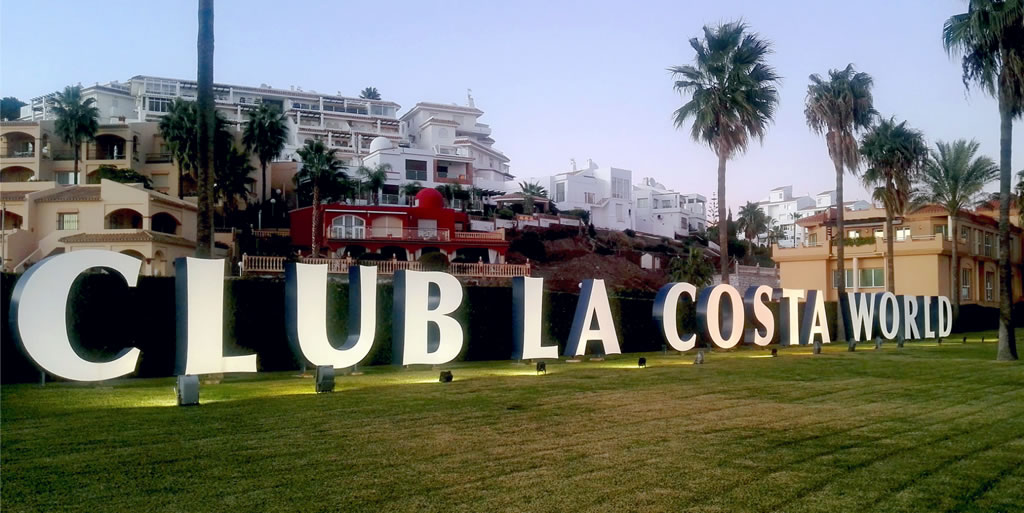
In 2021, Club La Costa reported that, during the height of the pandemic, profits actually rose sharply. RMF Europe Ltd, a key company in the CLC group’s management structure, increased its profits by 38.2% on the previous year.
This windfall was driven by two main factors:
CLC continuing to demand full maintenance fees, despite minimal expenditure, and staff wages being paid by UK and Spanish governments
CLC’s short-sighted policy of deferring its legal obligation to pay compensation to its victims
Alongside the profits generated by the policies above, the company applied for (and received) a €5 million low-interest, government-backed loan, including a guaranteed one-year payment holiday. This loan was intended to support businesses suffering COVID-related income loss. The €5 million further increased CLC’s funds while other businesses in genuine need were fighting for survival.
Also in 2021, CLC’s creditors achieved a major win by replacing the existing administrators (BDO) with preferred administrators FRP. One early step by FRP was to extend the administration by a further 12 months, allowing more time to examine CLC’s ‘complex’ finances.
2022 was expected to bring meaningful progress in the battle for compensation awards. We will keep you updated as the administration process with FRP continues.
2022 Maintenance Fees

Timeshare owners are angry about having paid maintenance fees during the pandemic without receiving holidays in return, and many are now exploring ways to exit their memberships.
Resorts have been criticised for profiteering during the pandemic, and owners are questioning why they should keep paying for a product that can feel dated and restrictive.
Minimal resort running costs
Since the start of the pandemic, some timeshare resorts have reported record profits linked to resort closures and furloughing. Although some have since partially re-opened, many core facilities have been reduced or scaled back.
Timeshare units being advertised
Many timeshare resorts are no longer perceived as exclusive, with units often available through mainstream holiday booking sites such as Booking.com. Owners are asking why resorts promote inventory elsewhere while claiming there is insufficient availability for existing members.
Rebranding

In 2021, two of Europe’s largest timeshare brands moved into new corporate arrangements and were rebranded. Club La Costa announced a ‘partnership’ with the Wyndham network, and Diamond Resorts is now part of Hilton.
Owners are understandably concerned about what these changes could mean for their memberships and whether any additional costs may follow.
Is it time to get your holiday freedom back and unburden yourself from maintenance fees?
If you would like to find out your legal rights and discuss your options…
Related Posts

World’s third largest timeshare company accused of deception and customer abuse ‘Bonus’ weekend stay Greenwich social worker Raymond Hill, 53 and his wife Anthonia were invited to what seemed like a...
Sizeable Marriott award payout as members move to claim compensation for illegal contracts Happy owners Myra Bromfield, 55, and husband John bought their first two weeks of Marriott timeshare around 1998, at the Marri...
Spanish law 4/2012 has been updated to include a controversial 'sunset clause,' meaning that timeshare claims now have a time limit Decades of consumer abuse Since the early 1980s timeshare companies have been enrichi...
Following the discontinuation of the sales department more than four years ago, CLC World have started once again to sell timeshare points. Since they paused their timeshare sales operation in 2021, CLC have focused on...