UK courts are punishing holiday parks: the most common consumer rights breaches and claims

Following recent media coverage of questionable UK holiday park and caravan park sales practices, we can report that consumers have successfully brought cases in the UK courts. In a number of matters, operators have been legally penalised for unfair conduct. Read on to see whether any of the most common issues apply to your situation:
Holiday park and caravan park media spotlight
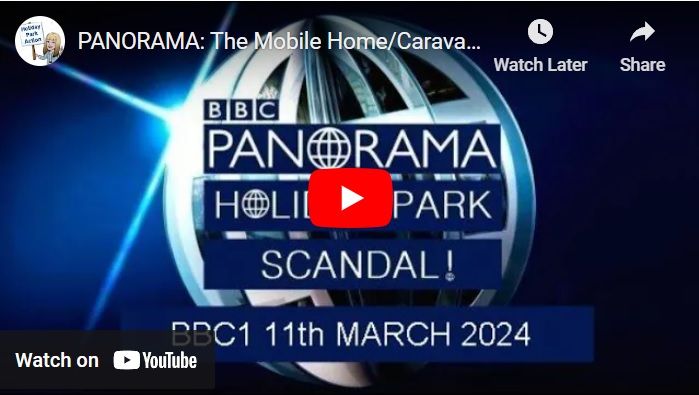
The BBC’s hard-hitting Panorama programme, as well as The Sun and the Daily Mail, have all published reports on troubling and, in some cases, predatory sales tactics affecting holiday park and static home buyers. Many people say they lost significant—sometimes life-changing—sums of money.
Consumer firm European Consumer Claims (ECC) has also set out plans to challenge rogue park operators.
So, what are the main grounds on which holiday park cases have been won so far?
Unfair holiday park fees and charges
Owners and residents have challenged excessive, unclear or unjustified pitch fees, service charges and other compulsory costs imposed by site operators.
Emma and James Richardson, for example, told the Daily Mail they were paying over £1,000 a month in mandatory fees, leaving them with less than £200 even when they managed to rent out their unit.
Courts and tribunals have ruled in favour of claimants where substantial fee increases were unjustified or not properly documented. In some cases, operators have been ordered to roll back charges or refund them entirely.
Misrepresentation and unfair sales practices
Claims have also succeeded where holiday parks or caravan sites used misleading information or unfair sales approaches to secure a sale.
Mike Chesworth reports being told by Wyre Country Park sales staff that he could retire and live permanently at the Lancashire property. He later discovered the park only had a holiday licence, meaning the couple could be required to leave.
More broadly, consumers have raised concerns about misleading or aggressive sales practices across parts of the industry.
In cases like Mr Chesworth’s, people say they were led to believe they were buying a permanent residence, only to find out later that the unit was classed as holiday accommodation and could not be lived in all year round.
Where it has been shown that false or deceptive information was used to encourage a purchase, courts have ruled for consumers. In some instances, refunds and financial compensation have been awarded.
Unfair contract terms (Consumer Rights Act 2015)
Many consumers have relied on the Consumer Rights Act 2015 to argue that terms in their holiday park or static home agreements were unfair.
Examples include terms that limit basic rights (such as the Richardsons being required to use expensive on-park services like linen changes and cleaning), or clauses that impose disproportionate restrictions—for instance, forcing an owner to sell or remove their caravan after 10 years regardless of its condition.
Where terms have been found to be unfair, park operators have been required to amend contracts to remove them or to give owners more reasonable flexibility.
Harassment and unfair evictions
UK courts have also taken action where site owners have used bullying and intimidation to push owners into worse agreements—or to force them off their pitch for the operator’s benefit.
Chalet owners at Redgate Holiday Park in Ayrshire, for example, have joined together to complain that they have been told their long-standing chalet ownerships will end within the next three years, after a unilateral decision to replace chalets with new static caravans.

The Mobile Homes Act 2013 provides stronger protection for some residents against spurious evictions and supports greater security of ownership.
Where eviction attempts have been unlawful, courts have rejected them and, in some cases, awarded damages as financial compensation.
Health and safety failures
Where holiday parks have fallen short of legal health and safety standards, courts have issued fines or ordered operators to take action to put matters right. One family described their visit to Cowden Holiday Park as “the holiday park from hell” due to what they saw as serious health and safety issues.
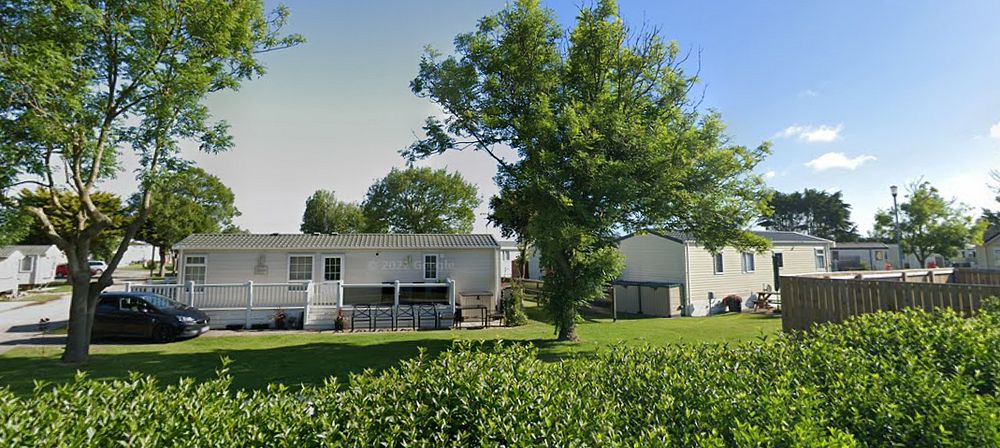
Holiday parks can collect substantial sums in annual fees. Where standards have not been met, allegations have often focused on profit being prioritised over maintenance and safety—such as inadequate sanitation or hazardous on-site conditions.
Cases like these can require parks to invest appropriately in upkeep and compliance, reinforcing consumer protections and holding operators to fair practices and acceptable standards.
Had a bad holiday park or static home experience?
“To paraphrase the old engineering motto: ‘if it feels unfair, it probably is’,” says Greg Wilson, CEO of European Consumer Claims.

“As human beings we instinctively know when we have been treated unfairly. But we don’t always know what to do about it.
“That is where ECC can help.
“We do know what to do about it.”
ECC has been achieving redress and financial compensation for wronged consumers since 2016, and works with experienced consumer specialist solicitors including Pinder Reaux and M1 Law.
Get in touch with our team today to see how we can help you.
Related Posts

World’s third largest timeshare company accused of deception and customer abuse ‘Bonus’ weekend stay Greenwich social worker Raymond Hill, 53 and his wife Anthonia were invited to what seemed like a...
Sizeable Marriott award payout as members move to claim compensation for illegal contracts Happy owners Myra Bromfield, 55, and husband John bought their first two weeks of Marriott timeshare around 1998, at the Marri...
Spanish law 4/2012 has been updated to include a controversial 'sunset clause,' meaning that timeshare claims now have a time limit Decades of consumer abuse Since the early 1980s timeshare companies have been enrichi...
Following the discontinuation of the sales department more than four years ago, CLC World have started once again to sell timeshare points. Since they paused their timeshare sales operation in 2021, CLC have focused on...