European timeshare companies under scrutiny for delaying Spanish timeshare compensation claims

How timeshare companies are trying to delay or avoid paying compensation – and what it means for claimants
In breach of the law
For more than 25 years, timeshare companies have knowingly and deliberately operated in violation of clear consumer protections.
In Spain (as in other countries), the sale of points-based memberships and floating weeks was prohibited, and contracts were limited to a maximum term of 50 years.
It also became unlawful for a timeshare company to take any money on the day of the sale, or during the cooling-off period. The reason was straightforward: hundreds of thousands of people had been pressured into costly decisions while on holiday – only to regret them once they got home. The law was designed to prevent consumers being exploited in exactly this way.

Timeshare is an emotional sale. Prospective buyers are shown luxury, made to feel they have earned it, and encouraged to sign while in a holiday mindset – buoyed by sun, sea and the relaxed atmosphere of a resort. Crucially, consumer law exists to protect people from being taken advantage of when decisions are pushed through under pressure.
Timeshare companies understood that if customers were allowed to return to the cold, grey reality of home before deciding, far fewer would ever buy.
So many resort operators simply ignored the rules and carried on regardless, betting they could keep illegal sales going for as long as possible.
When the dam finally bursts
For a long time, that gamble worked.
Over the next 17 years, resort lawyers delayed and obstructed proceedings, managing to repel legal challenges. Individual claimants were often worn down by the practical barriers: travelling to Spain, navigating bureaucracy, and doing so in an unfamiliar language.
Over time, claims firms stepped in and were better equipped to deal with these tactics. In 2016, the first case was won by ANFI claimant Tove Grimsbo, who was awarded €40,000 in compensation.

After that breakthrough, further wins followed. Major European timeshare companies were finally held to account and, between them, they now owe hundreds of millions in court-awarded compensation. The impact has been so severe that timeshare sales operations in Europe have almost all gone out of business.
Gruelling delays and new avoidance tactics
Timeshare company lawyers continue to search for new and inventive ways to avoid paying, or to drag out the process for as long as possible. In practice, these delays are largely symbolic. The central issue remains: many timeshare companies ignored the law to profit at customers’ expense. Legal manoeuvring can slow the consequences, but not remove them.

Again and again, these tactics have been overcome by persistent claims lawyers. In cases of timeshare mis-selling, justice cannot be avoided indefinitely – only delayed.
As of 2024, timeshare companies have nearly exhausted their remaining options.
Their attempts to hold back the tide now tend to rely on two main strategies.
European Court of Justice (ECJ) ruling and jurisdiction arguments
Timeshare resorts have spent heavily pursuing motions in different courts in an effort to avoid paying compensation, often arguing over where the companies that issued the original membership contracts are registered.
In the past 12 months, lawyers acting for timeshare companies have secured a further delay via a European Court of Justice (ECJ) ruling. In theory, this could help some firms avoid paying compensation in Spain on jurisdictional grounds. It may affect certain Club La Costa and Diamond Resorts Europe contracts.
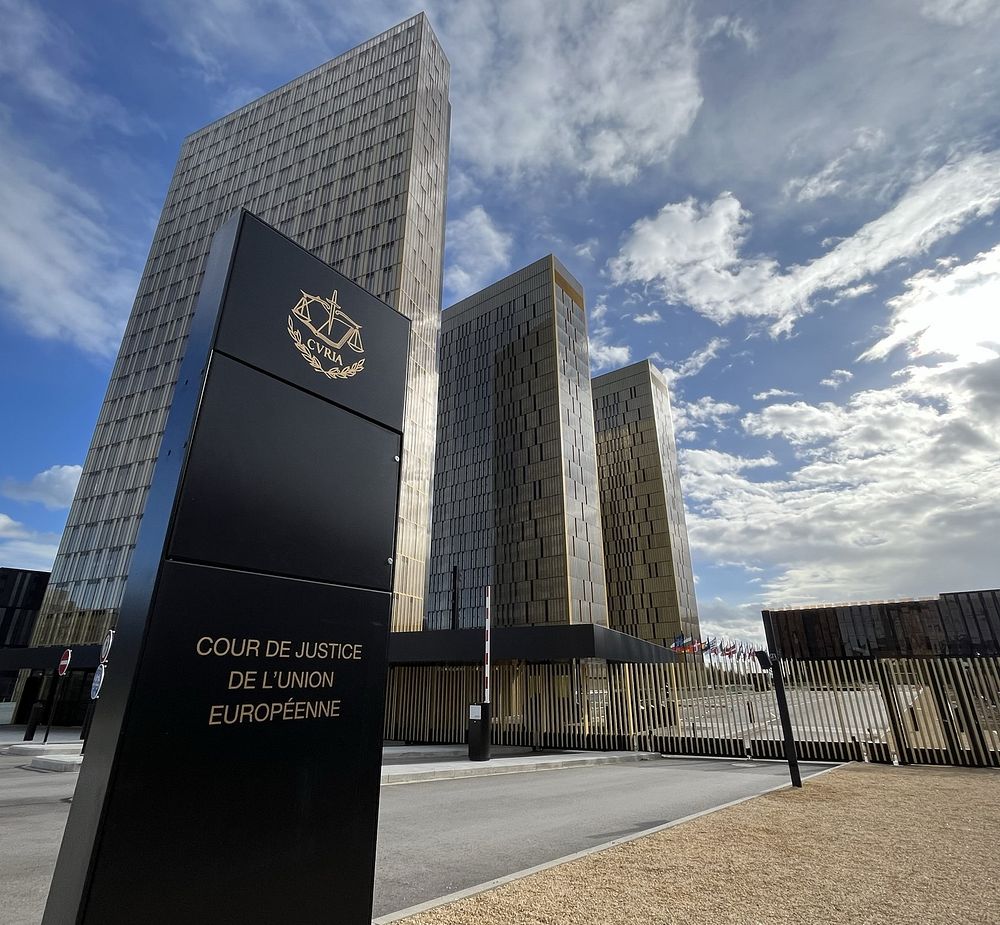
Since this ruling, some Spanish courts have dismissed claims on jurisdiction grounds.
However, it is important to note:
- Claims lawyers unanimously argue the ruling is flawed and that Spanish jurisdiction still applies. Expert opinion from leading Spanish legal academics also supports the view that these cases fall under the jurisdiction of the Spanish courts. Appeals have been filed for current claimants, and the general expectation among industry experts is that those appeals will succeed.
- Even if the appeals were to fail, the likely outcome would be a change of where a case is heard – not a denial of justice. For some people, this could extend the overall timeframe. It could also increase legal costs, although reputable firms such as European Consumer Claims (ECC) would cover those costs, meaning clients would not pay extra.
Proposed ‘sunset clause’ limiting when claims can start
Some heavily exposed timeshare companies – including Marriott Vacations – have been lobbying politicians and courts in Spain to introduce a so-called ‘sunset clause’.

If introduced, such a clause could set a deadline for people to begin claims against timeshare companies for mis-selling. It would not affect anyone who has already started their claim.
Prospective claimants should also bear in mind:
- Spain is well known for slow, inefficient bureaucracy. No sunset clause has been passed, and legislative change rarely moves quickly.
- If it were introduced, the time limit is unknown. It could be six months, six years, or something else entirely.
The consensus remains that anyone who believes they were wronged by a timeshare resort should contact a reputable claims company sooner rather than later.
Expert comment
"The wheels of justice might turn slowly in Spain," notes Greg Wilson, CEO of ECC. "But once they gain momentum, they are not easily obstructed."

"The legal system at all levels in this country has demonstrated a clear commitment to punishing those who ignored consumer laws in order to profit at the expense of not only the victims themselves, but also the national tourism industry as a whole.
"For many reasons, anyone who was mistreated in any way by a timeshare company would be well advised to act swiftly in terms of seeking redress."
Related Posts

World’s third largest timeshare company accused of deception and customer abuse ‘Bonus’ weekend stay Greenwich social worker Raymond Hill, 53 and his wife Anthonia were invited to what seemed like a...

Sizeable Marriott award payout as members move to claim compensation for illegal contracts Happy owners Myra Bromfield, 55, and husband John bought their first two weeks of Marriott timeshare around 1998, at the Marri...

Spanish law 4/2012 has been updated to include a controversial 'sunset clause,' meaning that timeshare claims now have a time limit Decades of consumer abuse Since the early 1980s timeshare companies have been enrichi...

Following the discontinuation of the sales department more than four years ago, CLC World have started once again to sell timeshare points. Since they paused their timeshare sales operation in 2021, CLC have focused on...