‘Too good to be true,’ says $24,000 timeshare resale scam victim in Puerto Vallarta
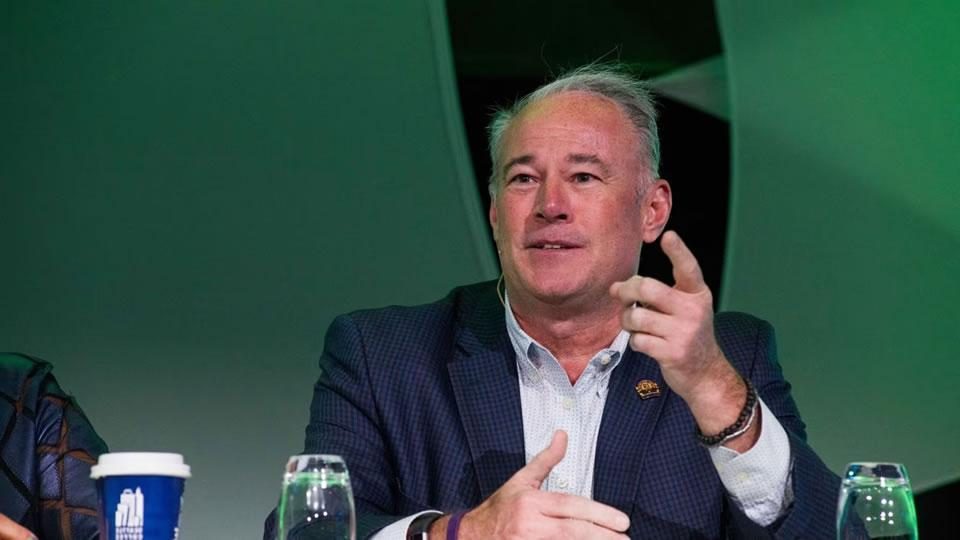
Even thorough checks and due diligence weren’t enough to stop a seasoned property professional losing $24,000 to a timeshare resale scam
The offer to buy his timeshare
53-year-old Darren Kittleson owned a timeshare in Mexico’s upmarket Puerto Vallarta at Garza Blanca Preserve Resort & Spa.
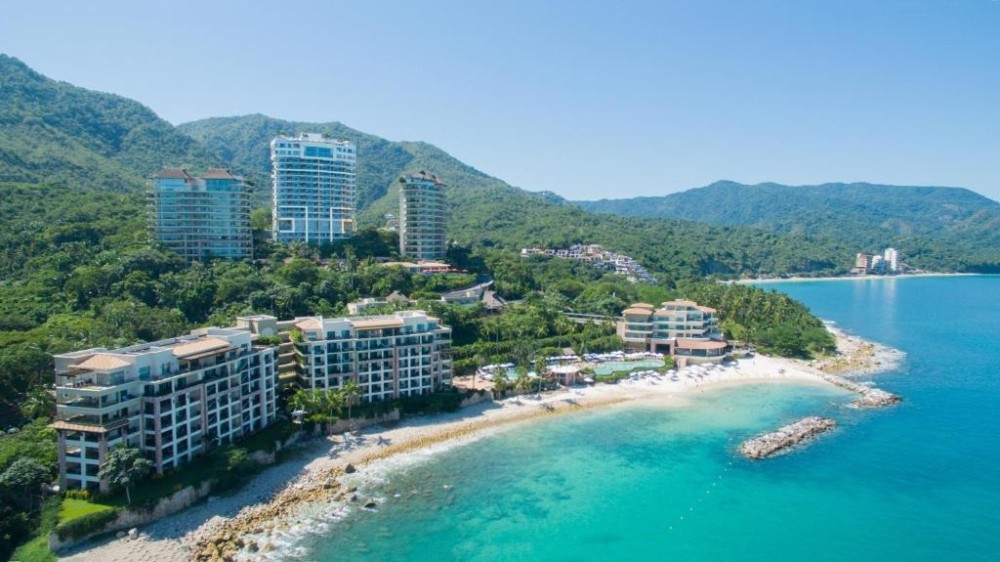
Many timeshare owners try to move on from their memberships because they feel the holiday model offers poor value for money and can be inefficient. So when Darren—an experienced real estate professional—received a call from a broker allegedly representing Westwood Realty, offering to buy his membership for 70% more than he’d paid, he was ready to accept.
“I didn’t really think twice about that price,” the Wisconsin native told the Arizona Republic.
“Not so fast…”: his checks still didn’t prevent fraud
A 30-year property career tends to sharpen your scepticism and instincts for self-preservation. Darren didn’t simply take the caller at their word.
Kittleson checked everything. He scrutinised Westwood Realty’s company licence, listing and Arizona address. He also looked up the broker’s real estate licence, which showed a spotless 40-year record in the industry.
On paper, everything looked genuine.
He even set up a Google News alert for Westwood Realty, to be notified if anything suspicious appeared in connection with the firm.

“I thought I was doing everything to verify, verify, verify,” says Darren.
Why it “all checked out” anyway
Westwood Realty is a genuine Arizona company. There is also a real broker with the (withheld for reputational reasons) name and licence details provided by the caller. Neither party had any idea their identities were being used in this way.
The scammers even used an address in the same building as Westwood Realty for written correspondence—adding to the illusion that this was a legitimate resale transaction.
After Darren Kittleson signed a letter of intent, he received an email containing a realistic-looking bank statement that appeared to show the purchase funds had been deposited.
Darren rang the phone number shown on the statement and spoke to a Spanish-speaking person who confirmed the name of a bank in Mexico.
The money looked like it was on its way.
How the timeshare resale scam worked
Weeks passed and the money still hadn’t arrived. Darren was then told there was a delay because he needed to provide tax details and pay a Mexico City law firm to complete related paperwork. The form arrived complete with “government stamps” and a tax ID. Darren paid the attorney—yet the promised transfer still failed to materialise.
“I was nervous,” Darren admits. “But I thought: ‘OK, this is the first time I have done a property transfer in Mexico.’”
Next, the scammers told Darren he needed to pay taxes to the state of Jalisco in Mexico.
An online search suggested this could be normal, and the “buyers” said they would reimburse him. They then asked him to pay for a series of insurance bonds.
After paying a total of $24,000, Darren Kittleson accepted he was being defrauded. “At that point I said: ‘I’m done.’ It was like ‘Oh, I just got scammed,’” he told the Arizona Republic.
Aftermath
Mr Kittleson made multiple official complaints via the Attorney General, the FBI and the Better Business Bureau, but does not believe the fraudsters will ever be caught.

“It is likely they are out of the country,” Darren believes. “And it’s even more likely I won’t see my money again.”
“If it sounds too good to be true, it is.”
A Cease and Desist order was filed against the thieves by the Department of Real Estate following these complaints and others from further victims. However, this was probably too late to stop the scammers, who may already be operating under a different corporate identity.
Expert comment
“Darren Kittleson is probably more savvy than most of us when it comes to avoiding scams,” says Andrew Cooper, CEO of European Consumer Claims. “If somebody this experienced can still be caught out by fraudsters, readers may well be wondering: ‘what possible chance do I have?’”
“With the benefit of hindsight, someone in this situation should look up contact details on the official website and ring the caller back on a verified number. That would quickly expose an impersonator. But in this case, at that point, it looked like money was being provided rather than requested.”
“In reality, the biggest clue is in Darren’s own words: if a deal sounds too good to be true, it usually is.”

“In the timeshare industry, as in wider life, anything that appears to have no downside usually has a hidden catch.
“Timeshare ownerships do not generally have a resale value. It takes powerful, expensive sales and marketing programmes to persuade people to pay for a membership that can be a more expensive, less flexible and more complicated way to book holidays than using standard travel sites.
“Once the owner realises this, they often want to get rid of the membership—without the benefit of a timeshare marketing and sales budget to help them sell it.”
“Resorts also make it difficult for someone to exit a contract because they rely on annual fees the member has committed to paying. So not only do timeshare memberships often have little to no monetary value once purchased; expert help is commonly needed to free someone from their contract.
“If a stranger rang me out of the blue to say the England football manager was short of players and wanted me to play centre forward on Saturday, I’d take that with a pinch of salt.
“For the same reason, if someone offers to free you from your membership, return all the money you paid, and even give you a 70% profit, you can safely assume they’re not telling the truth.”
Realistic advice
If you’re a timeshare owner and you’re no longer happy with your membership, get in touch with our team at the Timeshare Advice Centre.
We can offer free, expert guidance on your options.
Related Posts

World’s third largest timeshare company accused of deception and customer abuse ‘Bonus’ weekend stay Greenwich social worker Raymond Hill, 53 and his wife Anthonia were invited to what seemed like a...
Sizeable Marriott award payout as members move to claim compensation for illegal contracts Happy owners Myra Bromfield, 55, and husband John bought their first two weeks of Marriott timeshare around 1998, at the Marri...
Spanish law 4/2012 has been updated to include a controversial 'sunset clause,' meaning that timeshare claims now have a time limit Decades of consumer abuse Since the early 1980s timeshare companies have been enrichi...

Following the discontinuation of the sales department more than four years ago, CLC World have started once again to sell timeshare points. Since they paused their timeshare sales operation in 2021, CLC have focused on...