Timeshare maintenance fees rising 30% in 2023, fuelling further upset for owners
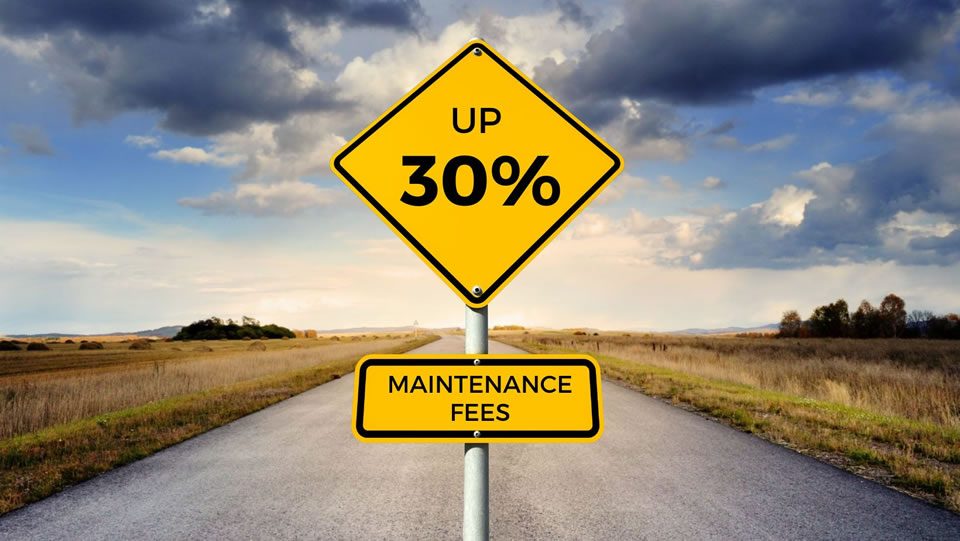
Timeshare maintenance fees are already expensive, and many owners are now facing further increases in 2023.
Predicted maintenance fee rises
Industry experts at European Consumer Claims ("ECC") have published a number of articles warning that timeshare companies were likely to increase annual maintenance fees.
In the timeshare industry, it is not unusual for companies to use tough economic conditions to boost profits, with fee rises presented as unavoidable.
During the pandemic, for example, many timeshare resorts continued to charge members full fees. This was despite government furlough schemes often covering staff wages and other operating costs reducing significantly.
At the time, many resorts were accused of profiteering, particularly as other businesses across the travel sector went further to support customers.
Macdonald Resorts: one of the first major increases
More recently, a client contacted us to report that Macdonald Resorts in Scotland is planning to increase maintenance fees by over 30%.
Below is an excerpt from the email sent to the customer:

The email also indicates that other managed clubs in the UK and Spain may see similar increases.
More timeshare maintenance fee increases to follow?
Macdonald Resorts may be among the first to announce a steep rise, but industry commentators suggest it will not be the last.
Andrew Cooper, CEO of European Consumer Claims (ECC), explains that timeshare companies traditionally relied on two main income streams.
The first was their "high pressure sales and marketing operations", which generated substantial revenue from signing up holidaymakers.
Mr Cooper suggests this revenue was largely profit, helping timeshare businesses grow significantly during the 1980s and 1990s.
The second income stream came from ongoing maintenance fees.
These fees were intended to "keep the resorts in pristine condition". However, according to Mr Cooper, members were often charged "way more than was required for maintenance".
He also points out that many contracts did not include clear limits on how much maintenance fees could rise each year.
As timeshare became seen as outdated and sales slowed, resorts allegedly started to "become more brazen about maintenance fee increases".
In some cases, it can now cost less to book a week at the same resort via Booking.com than it does to pay the annual maintenance fee.
With general inflation around 10%, a rise of over 30% at Macdonald Resorts is three times that level.
Other resorts are likely facing similar pressures and may take a similar approach, which could mean Macdonald Resorts is simply the first of many.
What can timeshare customers do?
Timeshare contracts are often designed to be difficult to exit.
Many people sign up after a flashy presentation while on holiday, without realising their contract may not restrict how much the resort can increase annual maintenance fees.
Resorts may raise fees by as much as they believe they can. When increases happen gradually, customers often feel they have little choice but to tolerate them.
However, some owners have had enough. If you no longer want to accept the escalating costs and you want to be free of the ongoing liability, help may be available.
Many timeshare contracts can be relinquished with support from experts.
If you would like a free, no-obligation consultation, contact our team at the Timeshare Advice Centre today to discuss your options for relinquishing your timeshare contract or claiming compensation.
Related Posts

World’s third largest timeshare company accused of deception and customer abuse ‘Bonus’ weekend stay Greenwich social worker Raymond Hill, 53 and his wife Anthonia were invited to what seemed like a...
Sizeable Marriott award payout as members move to claim compensation for illegal contracts Happy owners Myra Bromfield, 55, and husband John bought their first two weeks of Marriott timeshare around 1998, at the Marri...

Spanish law 4/2012 has been updated to include a controversial 'sunset clause,' meaning that timeshare claims now have a time limit Decades of consumer abuse Since the early 1980s timeshare companies have been enrichi...

Following the discontinuation of the sales department more than four years ago, CLC World have started once again to sell timeshare points. Since they paused their timeshare sales operation in 2021, CLC have focused on...